Muscle Pain: Causes, Symptoms & Natural Relief Tips
Muscle pain is one of the most common physical complaints in both adults and children. Whether it comes after a workout, long office hours, stress, or an injury, muscle discomfort can affect your daily activities, energy, and quality of life. The good news is that most muscle pain can be managed with simple lifestyle habits, rest, and preventive care.
In this blog, we explore the common causes of muscle pain, symptoms to look for, and natural ways to reduce discomfort.
What Is Muscle Pain?
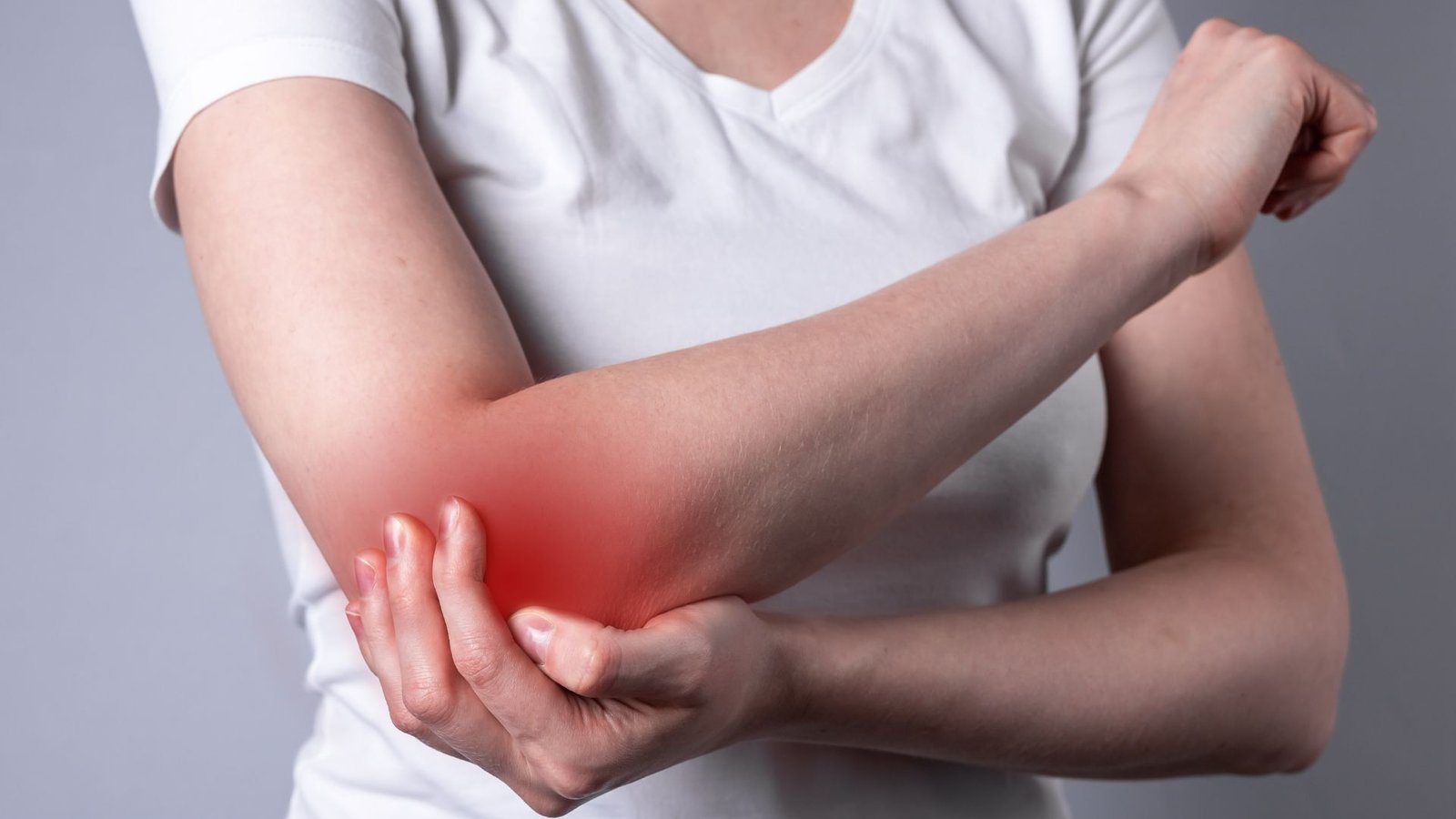
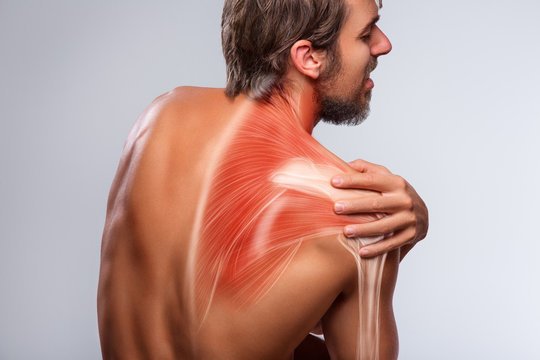
Muscle pain, also known as myalgia, refers to soreness, stiffness, or discomfort in one or more muscles. It can be mild and temporary, or sometimes more intense depending on the cause.
Muscle pain may affect:
Common Causes of Muscle Pain
There are many reasons why muscle pain can occur. Some of the most common causes include:
1. Overuse or Exercise
After intense physical activity, tiny muscle fibers become strained. This is normal and part of muscle growth.
2. Poor Posture
Sitting at a desk for long hours, sleeping in awkward positions, or slouching can create muscular tension.
3. Stress or Anxiety
Mental stress causes muscles to tighten, especially around the neck, shoulders, and back.
4. Lack of Movement
Staying in one position for too long reduces circulation and causes stiffness.
5. Minor Injuries
Sprains, strains, or sudden movement can lead to localized muscle pain.
6. Illness or Fatigue
Some viral infections, dehydration, and electrolyte imbalance can also cause muscle soreness.
Common Symptoms of Muscle Pain
Muscle pain can show up in different ways. You may experience:
Aching or soreness
Tightness or stiffness
Limited movement
Tenderness when pressing the area
Weakness in the affected muscle
A feeling of heaviness or tiredness
Pain may be in one area or spread across several muscle groups, depending on the cause.
Natural Ways to Relieve Muscle Pain
Most muscle pain improves with simple care and rest. Here are some helpful tips:
1. Gentle Stretching
Stretching relaxes tight muscles and improves flexibility. Morning and evening stretches can reduce stiffness.
2. Warm Compress
Applying a warm cloth or heating pad increases blood flow and reduces tightness.
3. Cold Compress
For swelling after a minor injury, an ice pack can help reduce inflammation.
4. Stay Hydrated
Dehydration makes muscles prone to cramps and soreness. Drink water throughout the day, especially after exercise.
5. Rest and Relaxation
Give your muscles time to recover. Avoid overtraining or repeating the same movement again and again.
6. Massage
Gentle massage helps release tension and improves circulation. Even self-massage using your hands or a foam roller can be beneficial.
7. Good Posture
Maintain proper sitting and standing posture to avoid muscle strain. Ergonomic chairs and proper desk setup make a big difference.



 Anthelmintic
1
Anthelmintic
1
 Anxiety
6
Anxiety
6
 Anxiety
1
Anxiety
1
 Armodafinil
3
Armodafinil
3
 Carisoprodol
5
Carisoprodol
5
 Celecobix
4
Celecobix
4
 Cyclobenzaprine
5
Cyclobenzaprine
5
 ED Products
6
ED Products
6
 Eszopiclone
3
Eszopiclone
3
 Fluoxetine
4
Fluoxetine
4
 Hair Loss
2
Hair Loss
2
 Insomnia
2
Insomnia
2
 Modafinil
11
Modafinil
11
 Muscle Pain Relief
1
Muscle Pain Relief
1
 Narcolepsy
3
Narcolepsy
3
 Over Seas
81
Over Seas
81
 Pain Relief
9
Pain Relief
9
 Pregabalin
6
Pregabalin
6
 Tapentadol
6
Tapentadol
6
 Tofisopam
8
Tofisopam
8
 US to US
37
US to US
37
 Weight Loss
1
Weight Loss
1
 Weight Loss
2
Weight Loss
2
 Zopiclone
4
Zopiclone
4









 Home
Home  Whishlist
  Compare
  Checkout
  Account