Anthelmintic: What It Means & Why It Matters
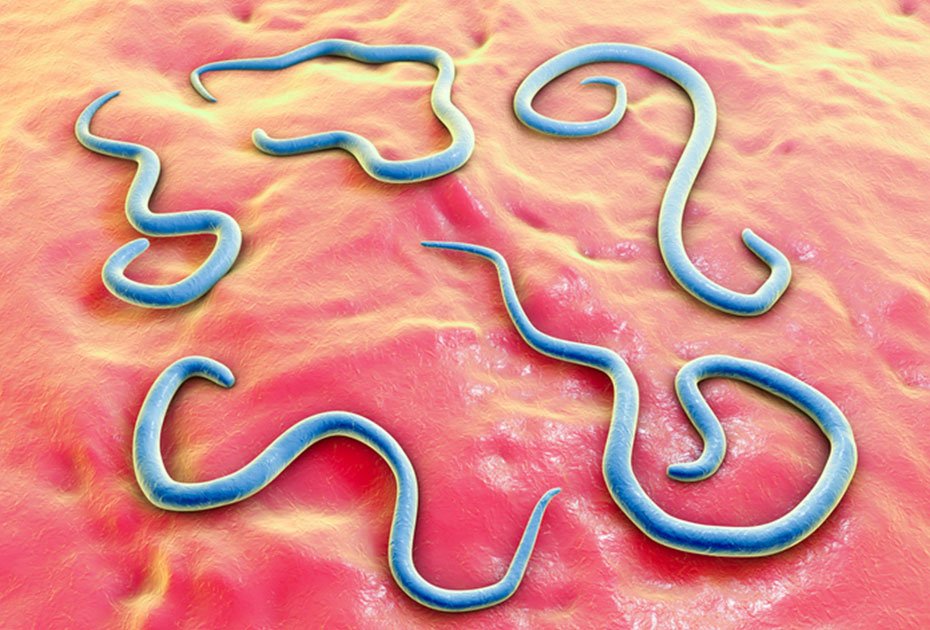
The term anthelmintic refers to a group of substances that help act against parasitic worms that live in the human or animal body. These worms are commonly known as helminths, and they may live in the intestines, tissues, or other organs. Anthelmintics are used to manage worm infestations and support general health, especially in areas where hygiene, sanitation, and food safety are challenging.
What Are Helminths?
Helminths are parasitic worms that may enter the body through:
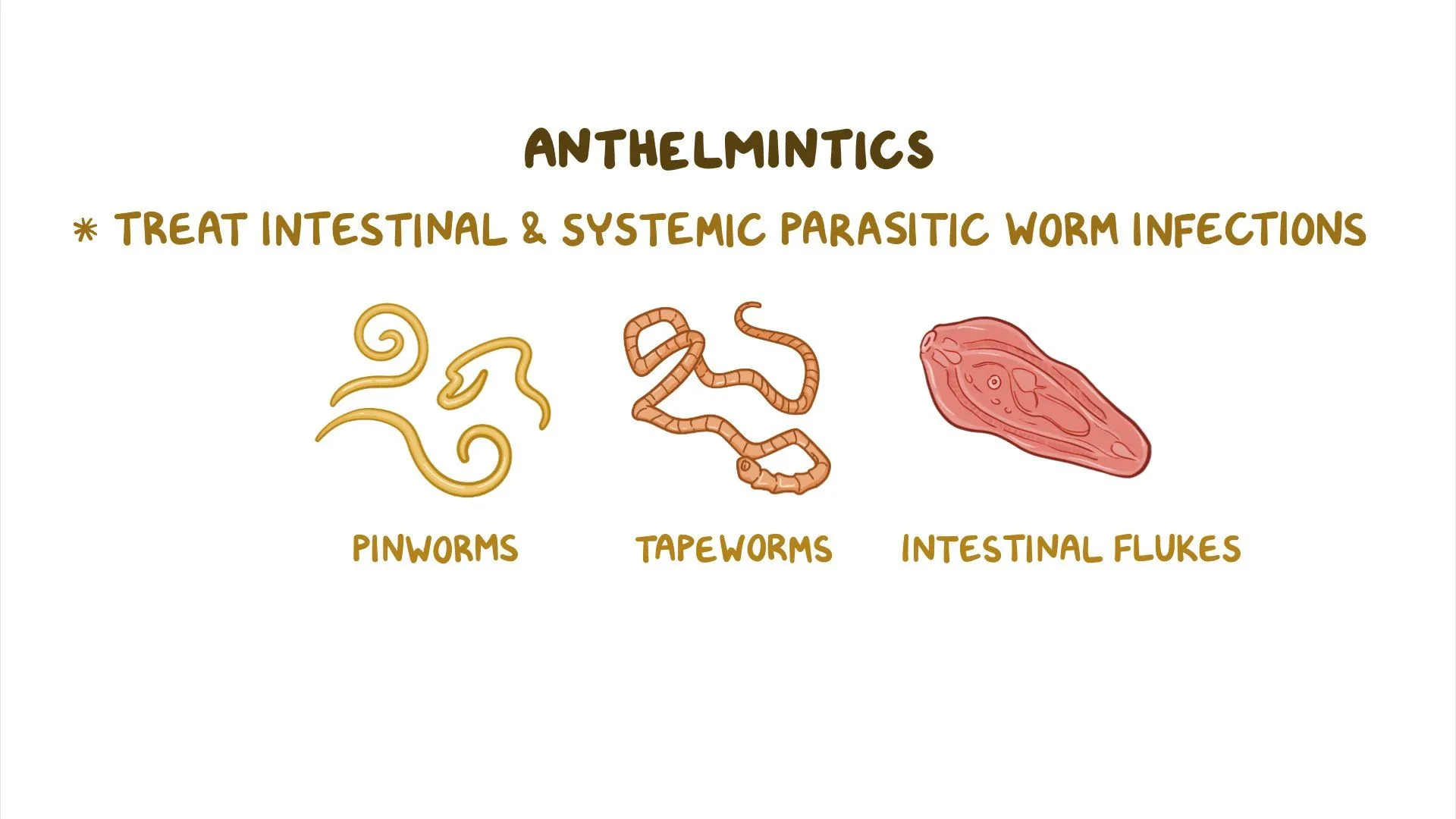
Common helminths include:
Roundworms
Tapeworms
Hookworms
Pinworms
Whipworms
These parasites can affect digestion, nutrition, and overall well-being.
Common Symptoms of Worm Infestation
The symptoms may vary depending on the type of worm and the number of worms in the body. Common symptoms include:
Some people may not show visible symptoms at all, especially in early stages.
How Anthelmintics Work
Anthelmintic substances aim to reduce or eliminate parasitic worm activity inside the body. They either:
Once affected, the worms are naturally removed through normal body processes.
Different anthelmintic substances are used depending on:
Type of worm
Location in the body
Individual condition
A healthcare professional always determines the appropriate approach.
Why Anthelmintics Are Important
Worm infestations are more common than many people think, especially in regions with:
Children are more vulnerable because they often play outside and may forget hygiene habits like handwashing.
Addressing worm infestation helps improve:
Nutrition
Growth in children
Digestive comfort
Energy levels
General immunity
Prevention Is Key
There are simple habits that reduce the chances of worm entry:
Wash hands before eating and after using the bathroom
Drink clean and safe water
Wash fruits and vegetables properly
Keep nails trimmed and clean
Avoid walking barefoot in soil
Maintain hygiene around pets and food areas
Good hygiene offers strong protection.
When to See a Healthcare Professional
Professional medical guidance is recommended when someone experiences:
Persistent stomach issues
Unexplained weight loss
Visible worms in stool
Constant fatigue or weakness
Ongoing itching around the anal area
A healthcare professional may suggest diagnostic tests and appropriate care based on the condition.
Final Thoughts
Anthelmintic substances play an important role in managing parasitic worms and supporting general health. While worm infestations are common in many parts of the world, simple hygiene habits, clean food, and awareness can significantly reduce the risk.
If symptoms continue or cause discomfort, consulting a healthcare professional is always the safest choice.



 Anthelmintic
1
Anthelmintic
1
 Anxiety
6
Anxiety
6
 Anxiety
1
Anxiety
1
 Armodafinil
3
Armodafinil
3
 Carisoprodol
5
Carisoprodol
5
 Celecobix
4
Celecobix
4
 Cyclobenzaprine
5
Cyclobenzaprine
5
 ED Products
6
ED Products
6
 Eszopiclone
3
Eszopiclone
3
 Fluoxetine
4
Fluoxetine
4
 Hair Loss
2
Hair Loss
2
 Insomnia
2
Insomnia
2
 Modafinil
11
Modafinil
11
 Muscle Pain Relief
1
Muscle Pain Relief
1
 Narcolepsy
3
Narcolepsy
3
 Over Seas
81
Over Seas
81
 Pain Relief
9
Pain Relief
9
 Pregabalin
6
Pregabalin
6
 Tapentadol
6
Tapentadol
6
 Tofisopam
8
Tofisopam
8
 US to US
37
US to US
37
 Weight Loss
1
Weight Loss
1
 Weight Loss
2
Weight Loss
2
 Zopiclone
4
Zopiclone
4











 Home
Home  Whishlist
  Compare
  Checkout
  Account