Understanding Narcolepsy: Why You Feel Tired All the Time
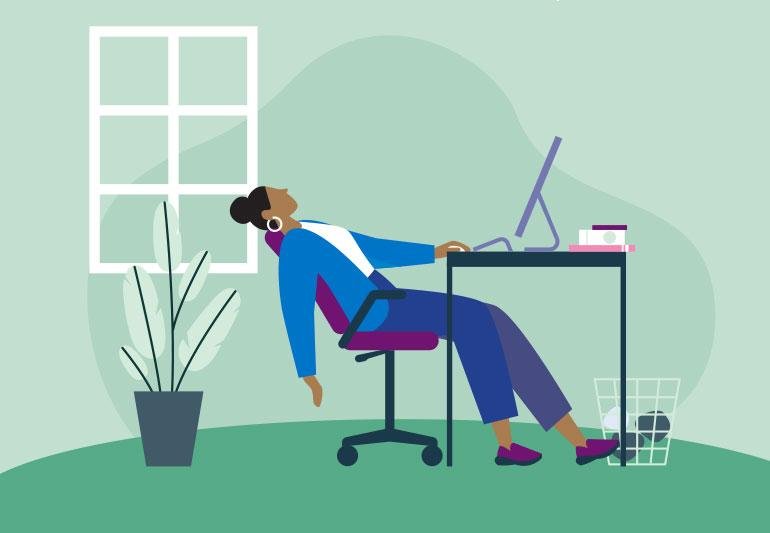
Feeling tired occasionally is normal. But when fatigue becomes constant, overwhelming, and uncontrollable, it could be more than just stress or lack of sleep. This is when narcolepsy comes into the picture — a sleep disorder that affects how the brain regulates sleep and wakefulness.
Many people with narcolepsy are misdiagnosed for years because their symptoms look similar to depression, stress, or burnout. Recognizing the signs early helps individuals get the right treatment and live a better life.
What Makes Narcolepsy Different From Ordinary Tiredness?
Lorem ipsum dolor sit amet, consectetur adipiscing elit. Ut elit tellus, luctus nec ullamcorper mattis, pulvinar dapib
People with narcolepsy don’t just feel sleepy — they may suddenly fall asleep anywhere, anytime. These sleep episodes are not intentional and often occur:
During conversations
While eating
At work or school
Even while driving
This makes the disorder dangerous if not managed properly.
Another unique symptom is cataplexy, where a person suddenly loses muscle control due to strong emotions like laughter or excitement. Imagine laughing at a joke and suddenly collapsing — that’s what many narcolepsy patients experience.
Four Major Symptoms to Watch Out For
1. Excessive Sleepiness During the Day
People may sleep at night and still wake up exhausted. Simple tasks become difficult, and staying awake feels like a struggle.
2. Sudden Muscle Weakness (Cataplexy)
Cataplexy can affect:
It usually lasts a few seconds to minutes and disappears on its own.
3. Sleep Paralysis
When falling asleep or waking up, the person is mentally awake but cannot move or speak, which can feel frightening.
4. Hallucinations
People see or hear things that are not real, often vivid and dream-like.
What Causes Narcolepsy?
Scientists believe it is mainly linked to the brain chemical hypocretin, which controls alertness.
Possible triggers include:
Narcolepsy is not caused by laziness or mental weakness. It is a real medical condition.
How Narcolepsy Affects Daily Life
The condition can affect:
Education and learning
Job performance
Driving and road safety
Emotional health
Relationships
Patients often feel misunderstood because others assume they are lazy or unmotivated. Awareness and support make a big difference.
Living Positively With Narcolepsy
With proper treatment, most people can still:
Work full-time
Study
Have a social life
Travel
Exercise
Support from family, friends, and employers is very important. Understanding and acceptance help reduce emotional stress.
Many people join support groups to share experiences and learn coping strategies.
When You Should Seek Help
Consult a doctor if you notice:
Persistent sleepiness during the day
Sudden loss of muscle control
Strange hallucinations or sleep paralysis
Falling asleep without warning
Even if symptoms seem mild, early intervention prevents complications.
Conclusion
Narcolepsy is a neurological disorder that affects sleep regulation, causing extreme daytime sleepiness, sudden muscle weakness, and disturbed nighttime sleep. Although it cannot be completely cured, ongoing treatment and lifestyle changes offer effective relief.
The first step is awareness. If you or someone you know struggles with symptoms, reach out to a sleep specialist. Proper diagnosis and support can dramatically improve daily life.














 Anthelmintic
1
Anthelmintic
1











 Home
Home  Whishlist
  Compare
  Checkout
  Account