















Modern life is busy and demanding, but small daily habits can improve your mental balance and reduce stress.
Practice Deep Breathing
Deep breathing is one of the simplest yet most powerful relaxation techniques. When we are stressed, our breathing becomes shallow, sending signals to the brain that we are in danger. Deep breathing flips this response by activating the body’s relaxation system. Slow and controlled breathing increases oxygen flow, slows the heart rate, and instantly brings calmness. Techniques like 4-7-8 breathing, box breathing, or diaphragmatic breathing can be done anywhere — at work, home, or even while traveling. Making this a daily habit helps train your mind to stay calm even during stressful moments.
Exercise Regularly
Regular physical activity helps your body release endorphins, the “feel-good” hormones responsible for boosting mood and reducing stress. Exercise also reduces cortisol — the stress hormone — and improves blood circulation to the brain. You don’t need a gym membership; even simple activities like morning walks, cycling, dancing, or stretching can improve your mental health. Consistency is more important than intensity. Just 20–30 minutes a day can have a huge positive impact on your emotional well-being, sleep quality, and overall energy levels.
Get Enough Sleep
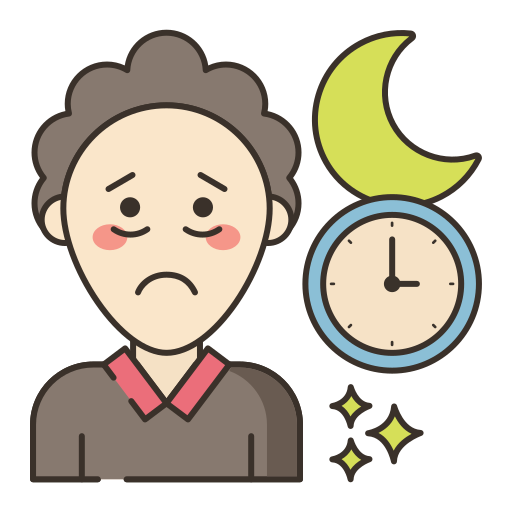
Sleep and mental health are closely connected. When you don’t get enough rest, your brain struggles to process emotions, leading to irritability, anxiety, and stress. Quality sleep helps reset your nervous system and gives your mind the break it needs to function properly. Try to maintain a fixed sleep schedule, reduce screen usage before bed, and avoid heavy meals late at night. Creating a calm sleep environment — dim lights, cool temperature, and minimal noise — can significantly improve your sleep quality. Aim for 7–8 hours every night for long-term mental balance.
Reduce Screen Time
Technology is helpful, but excessive screen time — especially social media — can increase stress, comparison, and anxiety. Constant notifications drain your attention and overload your mind with information. Taking small digital breaks allows your brain to relax and reduces mental fatigue. Try setting daily limits, turning off unnecessary notifications, or scheduling “no-phone” hours. Spending this time on reading, walking, or relaxing helps refresh your mind and improves emotional stability.
Eat Nutrient-Rich Foods
What you eat plays a major role in how you feel. Foods rich in omega-3 fatty acids, magnesium, vitamin B, and antioxidants can help reduce inflammation in the brain and improve mood. Include leafy greens, nuts, seeds, fruits, whole grains, yogurt, and fatty fish in your diet. Avoid excessive caffeine, sugar, and processed foods, which can worsen stress and cause mood swings. Eating in regular intervals and staying hydrated also keeps your energy stable throughout the day. A healthy gut often means a healthier mind.
Try Meditation or Yoga
Meditation and yoga are trusted practices that have been used for centuries to calm the mind and improve mental clarity. Meditation helps you focus on the present moment, reducing negative thoughts and emotional overthinking. Yoga, on the other hand, combines movement, breath control, and mindfulness — giving you both physical and mental benefits. Just 10–15 minutes of meditation or yoga per day can reduce anxiety, relax your muscles, and improve your emotional strength over time.


Stay Hydrated
Meditation and yoga are trusted practices that have been used for centuries to calm the mind and improve mental clarity. Meditation helps you focus on the present moment, reducing negative thoughts and emotional overthinking. Yoga, on the other hand, combines movement, breath control, and mindfulness — giving you both physical and mental benefits. Just 10–15 minutes of meditation or yoga per day can reduce anxiety, relax your muscles, and improve your emotional strength over time.
Connect With Loved Ones
Humans are social beings, and emotional support plays a huge role in mental health. Talking to friends, family members, or someone you trust can instantly lift your mood and reduce stress. Sharing your feelings helps you release emotional pressure instead of bottling it up. Even small interactions — a short phone call, a coffee chat, or spending time with loved ones — can make a big difference. Healthy relationships act as emotional anchors that give you strength during difficult times.
Maintain a Routine
While caffeine can boost energy, too much of it can increase anxiety, restlessness, and rapid heartbeat. People under stress often rely on coffee or energy drinks, which can actually worsen the situation. Try reducing the number of cups you drink per day or switch to healthier alternatives like green tea, herbal tea, or hot water with lemon. Listening to your body is key — if caffeine makes you feel jittery or uneasy, it may be time to cut back.
Limit Caffeine
While caffeine can boost energy, too much of it can increase anxiety, restlessness, and rapid heartbeat. People under stress often rely on coffee or energy drinks, which can actually worsen the situation. Try reducing the number of cups you drink per day or switch to healthier alternatives like green tea, herbal tea, or hot water with lemon. Listening to your body is key — if caffeine makes you feel jittery or uneasy, it may be time to cut back.
Final Thoughts
Improving mental well-being is a journey, but small lifestyle changes can create powerful results. Whether it’s breathing deeply, staying active, or connecting with loved ones, each habit contributes to a calmer and healthier mind. Start with one or two steps and gradually build them into your daily routine. Your mental health deserves attention, care, and consistency.








 Home
Home  Whishlist
  Compare
  Checkout
  Account