The Role of Therapy in Treating Anxiety & Depression
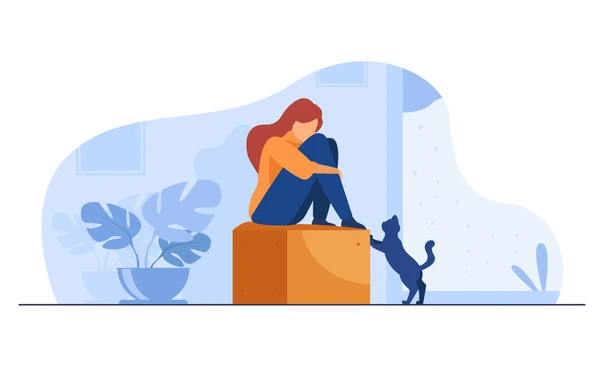
Anxiety and depression are two of the most common mental health conditions today. They affect how people think, feel, and live their daily lives. While medications may help, therapy plays a powerful role in treatment by addressing the root causes and helping people build healthier thought patterns.
This article explains how therapy helps, the different types available, and what patients can expect from the process.
Why Therapy Is Important
Therapy offers a safe space to:
Unlike quick fixes, therapy focuses on long-term recovery and emotional resilience.
How Therapy Helps Anxiety
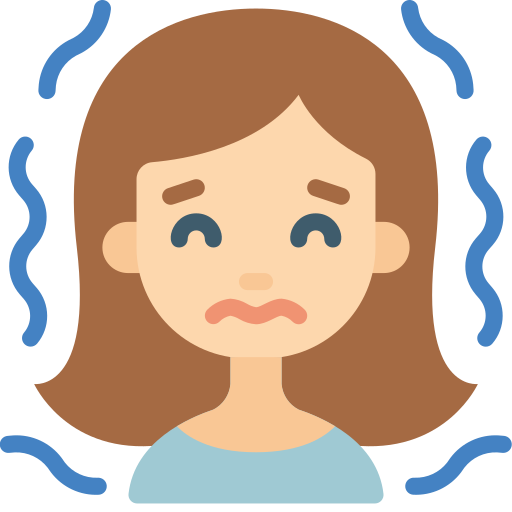
Anxiety causes fear, worry, and restlessness. Therapy helps individuals:
Recognize triggers
Challenge negative thinking
Reduce avoidance behavior
Build problem-solving skills
Improve relaxation and sleep
With therapy, patients can regain control over their life rather than letting anxiety control them.
How Therapy Helps Depression
Depression can lead to sadness, loss of interest, fatigue, and feelings of hopelessness. Therapy supports recovery by helping patients:
Identify underlying causes
Replace self-critical thoughts
Rebuild self-esteem
Create routines and goals
Strengthen relationships
Therapy teaches people how to reconnect with life again.
Types of Therapy Used in Treatment
Different therapies work for different people. Some of the most effective options include:
1. Cognitive Behavioral Therapy (CBT)
CBT focuses on how thoughts affect feelings and behavior. It helps patients change negative thinking patterns.
2. Psychotherapy (Talk Therapy)
This is a deep conversation-based approach that helps identify emotional difficulties, trauma, or unresolved issues.
3. Mindfulness-Based Therapy
Patients learn relaxation techniques, meditation, and breathing exercises to calm the mind.
4. Interpersonal Therapy (IPT)
Focuses on improving relationships, communication, and emotional skills.
5. Group Therapy
Talking with others who face similar challenges reduces loneliness and provides support.
6. Family or Couples Therapy
Improves understanding and creates a stronger support system at home.
The Connection Between Medication and Therapy
Medication can reduce symptoms, but therapy treats the emotional and psychological causes. The combination often works best:
Medication handles chemical imbalances
Therapy handles thoughts, behavior, and lifestyle
Doctors may recommend both for severe anxiety or depression.
Benefits of Therapy
Therapy offers many advantages:
Increased emotional awareness
Improved coping and problem-solving
Better communication skills
Reduced stress and fear
Positive behavior change
More confidence and self-worth
Most importantly, therapy empowers people to live a meaningful and enjoyable life again.
What to Expect During Therapy
Therapy is not a one-time session. It is a journey that requires consistency and trust. A therapist will:
Some sessions may feel emotional, but that is part of healing.
Who Should Consider Therapy?
Therapy is helpful if you experience:
Persistent worry or sadness
Panic attacks or irritability
Sleep problems
Loss of interest in activities
Difficulty concentrating
Relationship issues
Emotional trauma
Even people who do not have a diagnosed disorder can benefit from therapy to improve overall well-being.
Conclusion
Therapy plays an important role in treating anxiety and depression by helping individuals understand their emotions, manage symptoms, and build healthier life habits. Whether used alone or combined with medication, therapy leads to long-lasting improvement and emotional strength.
If you or someone you know is struggling, remember that help is available. Reaching out for therapy is a strong and positive step toward healing.



 Anthelmintic
1
Anthelmintic
1
 Anxiety
6
Anxiety
6
 Anxiety
1
Anxiety
1
 Armodafinil
3
Armodafinil
3
 Carisoprodol
5
Carisoprodol
5
 Celecobix
4
Celecobix
4
 Cyclobenzaprine
5
Cyclobenzaprine
5
 ED Products
6
ED Products
6
 Eszopiclone
3
Eszopiclone
3
 Fluoxetine
4
Fluoxetine
4
 Hair Loss
2
Hair Loss
2
 Insomnia
2
Insomnia
2
 Modafinil
11
Modafinil
11
 Muscle Pain Relief
1
Muscle Pain Relief
1
 Narcolepsy
3
Narcolepsy
3
 Over Seas
81
Over Seas
81
 Pain Relief
9
Pain Relief
9
 Pregabalin
6
Pregabalin
6
 Tapentadol
6
Tapentadol
6
 Tofisopam
8
Tofisopam
8
 US to US
37
US to US
37
 Weight Loss
1
Weight Loss
1
 Weight Loss
2
Weight Loss
2
 Zopiclone
4
Zopiclone
4









 Home
Home  Whishlist
  Compare
  Checkout
  Account